
THE SEVEN C’S OF COMMUNICATION
The terrain of Toastmasters has taught me some simple rules that any speaker should recognize before speaking to an audience. I thought of presenting it using the mnemonic of 7 C’s. They are as follows.
- Commitment

This is a usual problem with many speakers. You commit to a speech and finally procrastinate it or deliver a shoddy product. Both demonstrate lack of commitment. Good communicators commit to speech schedules, commit to time allocated and commit to the objectives of the speech. They demonstrate commitment to the responsibility assigned. They communicate ideas persuasively to elicit emotional commitment of the audience.
- Creativity

A creative speaker transforms a mundane subject matter into sublime. There is light and energy in every spoken word even when the topic he dwells on is dreary. The involving examples, stories, deviant narrative style, unconventional organizational techniques,illustrations, humor and surprising revelations, inducing drama and suspense, imparting vocal variety, using down-to-earth comparisons are some ways to induct magic in your speech. Whenever we speak, whether in Toastmasters or not, we sell ourselves. We sell our mannerisms, our style of thinking, our appearance, our emotions and our logic. There may be only seven notes in music, but their creativity is infinite.
- Clarity

This could be the most important asset of a good speaker. Good communicators present ideas clearly with no ambiguity in meaning. Avoid information overload. We live in a multi-tasking world. If you throw too much at a human brain, it shuts you off completely; it will absorb neither your content, nor your personality. Speaking requires focus. The hunter who chases two rabbits usually captures neither. Using double negative and ambiguous terminologies and jargons may sound bombastic in writing. But in speaking, they simply put the audience ears offline. Good communicators explain the most complex theories in lucid terms so that even a child can understand. They do it with appropriate pauses and vocal stress. Understanding every piece of information elevates the contentment of audience and boosts their self-esteem. It will also endorse the empathy of the speaker with the audience.
- Coherence

Coherence is the glue that holds together all the materials of a speech. All ideas should flow from the speaker in a logical pattern and should be connected by proper transitions. Speakers should avoid inconsistencies and should dwell on a theme rather than digressing with multiple thoughts or themes. Uncontrolled meandering from the subject of your talk projects a scattered image of your speech in the mind of the audience. Lack of focus, weak and vague language, loose connection of ideas and disjointed talk damages the objective and will not be savored by any audience
- Conciseness
/Concisenessinwriting-5b7dc4b4c9e77c0025735d5b.png)
Conciseness or brevity is the art of making a point with minimum usage of words to give maximum impact. This should be our primary goal as tightening of a draft speech to the bare essentials glistens and cleans our speech imparting it with more power and punch. Good speakers cut, sift, and create speech structures they know will work. “Less is better than more” should be the cannon. Lincoln’s Gettysburg address had just 272 words. Never use three words when you can say it in two. Leave out clichés, junk and hackneyed words, such as “You know,” “OK,” and “All right.” Leave out phrases such as “Let me be honest,” or blunt, or frank. Avoid “In other words…” or “To say it another way…” Speak in short sentences, short phrases, and short words. Word choice should be instantly clear to an audience
- Correctness

All the information which a speaker presents should be carefully checked to verify its accuracy and authenticity. While mistakes are always possible, remember that any serious errors will undermine your believability. Correctness of language ensures that attention will be directed toward what the speaker says, not how it is said. Proper use of grammar and correct pronunciation will show that the speaker is the master of the words being used.
- Credibility
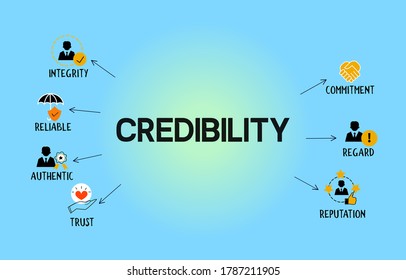
Aristotle mentions in his “Rhetoric” that credibility is the most important part of the process and without it nothing else mattered. A lawyer talking about “How to prevent a heart attack” has less credibility than a cardiologist talking on the same subject. Credibility in the eyes of the audience is important to invite active listening and positive response. A speaker who adapts anecdotes and projects it as his own personal experience will instantly lose credibility once the truth comes to light. It can affect the speaker’s personality. Honesty communicates credibility while liars lie low in the audience’s judgment. Addressing a medical conference of scientists, a lady opened the speech saying “I am a 32-year-old wife and mother of two. I have AIDS. Please work fast”. She instantly received a standing ovation at the conference. Your appearance, manner of delivery, your response to questions, the examples you cite etc can add or deduct your credibility.
 pgrnair.com
